Featured

The Single Strategy To Use For Safeguarding Yourself Against Unethical Schemes
Table of Contents
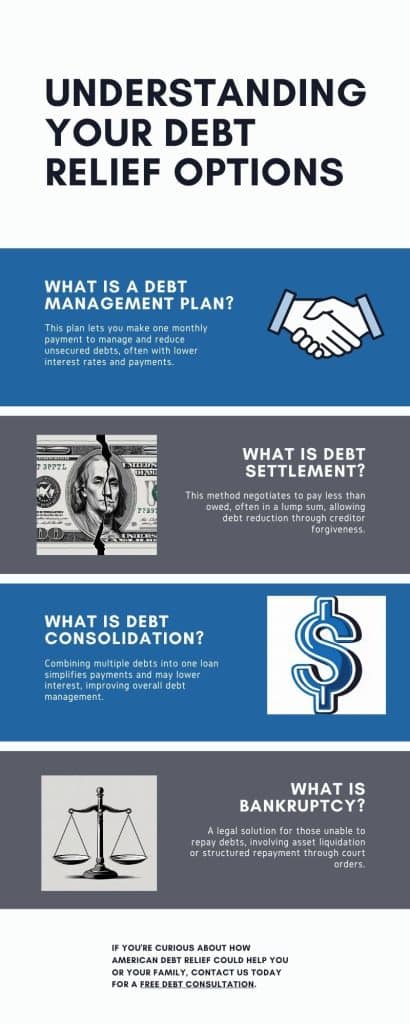
That liberates cash in the short-term, and you may have three to four years to conserve towards the settlement amount. Really harmful to credit rating, mainly due to missed payments and a negative "settled" mark that might stay on your credit report for up to seven yearsMay be only choice if other alternatives (debt loan consolidation, balance transfer bank card, financial obligation mercy) aren't possibleTypically needs a cost to the 3rd party, which could balance out some or all of the savings from financial obligation settlementMay assist you avoid personal bankruptcy if you have actually missed out on numerous paymentsNot all creditors deal with financial debt settlement business Financial debt mercy might be right for you if you are experiencing a financial difficulty that makes it virtually difficult to pay for your financial obligation balances.
With a DMP, you make one month-to-month payment to the credit scores therapy firm. Those funds are then distributed to lenders of your unsafe debts, such as charge card and installment finances. The firm works with your financial institutions to minimize rate of interest or forgo fees, however some creditors may reject such concessions.
A financial debt consolidation lending combines your qualified financial debts right into one brand-new loan. It can assist you pay down debt if you have the ability to protect a loan price that's lower than the average price of the accounts you're settling. Nevertheless, you must avoid racking up financial debt on those freshly removed accounts or your debt can expand even greater.

These cards commonly offer a 0% passion introductory duration of approximately 21 months. That gives you a lot of time to get rid of or considerably decrease your balance while making interest-free payments. For some people encountering insurmountable financial debt, insolvency may be the only way to quit collection proceedings and lawfully fix their financial debts.
Some Known Questions About Safeguarding Yourself Against Debt Relief Scams.
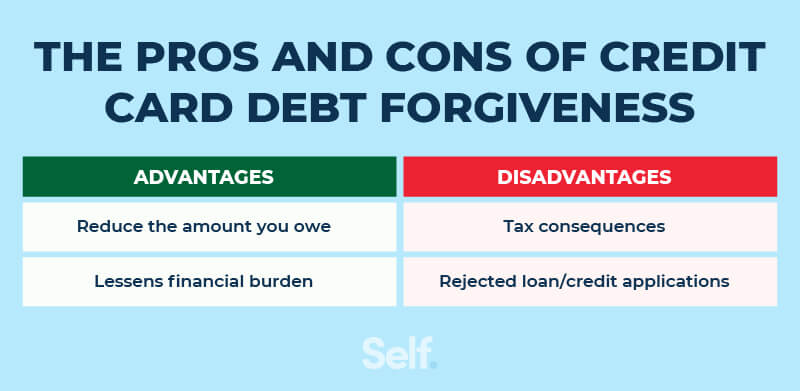
You may require it if your lender or a collection agency ever before attempts to gather on the debt in the future. When a lending institution forgives $600 or more, they are required to send you Form 1099-C.
Financial obligation mercy or settlement generally harms your credit rating. Anytime you work out a financial obligation for less than you owe, it may look like "cleared up" on your credit score report and influence your credit history for seven years from the day of negotiation. Your credit can also go down significantly in the months causing the forgiveness if you drop behind on settlements.
Consumer Protections According to Federal Law Can Be Fun For Anyone
This situation frequently results from underreporting earnings, not submitting returns on time, or disparities discovered throughout an IRS audit. The repercussions of collecting tax obligation financial obligation are serious and can include tax obligation liens, which give the IRS a lawful case to your home as safety for the financial debt.
Higher rate of interest on offered credit score. Wages and Financial institution Accounts IRS can levy (seize) earnings and savings account to please the financial obligation. Reduced income and disruption of necessary monetary procedures. Property Seizure In severe instances, the IRS can seize and market home to cover the debt. Loss of useful properties and prospective variation.
Depression, anxiousness, and other mental health issues. Social Stigma Facing lawsuit from the internal revenue service can bring social stigma. Damages to reputation and relationships. Work Opportunities A bad credit report because of strain financial debt can restrict job opportunity. Trouble searching for or keeping a job. Federal government Benefits Tax financial debt may influence qualification for government benefits, such as Social Security and Medicaid.
Getting The Methods Trustworthy Providers Follow Legal Compliance To Work
The OIC takes into consideration numerous variables, consisting of the taxpayer's income, expenses, asset equity, and capacity to pay. Successfully bargaining an OIC can be complex, requiring a detailed understanding of the IRS's guidelines and a strong argument for why your offer lines up with your capability to pay. It's important to keep in mind that not all applications are approved, and the process needs in-depth monetary disclosure.
The IRS examines your general financial situation, including your income, costs, asset equity, and capacity to pay. You have to also be current with all declaring and settlement requirements and not remain in an open bankruptcy proceeding. The IRS likewise considers your conformity background, examining whether you have a record of prompt declaring and paying taxes in previous years.
Not known Incorrect Statements About Hidden Fees to Watch For
The application process for an Offer in Compromise entails several thorough actions. Initially, you need to complete and submit IRS Type 656, the Offer in Concession application, and Kind 433-A (OIC), a collection information statement for people. These types require extensive monetary information, including information regarding your revenue, debts, costs, and possessions.
Back taxes, which are unpaid taxes from previous years, can considerably increase your complete internal revenue service debt if not dealt with without delay. This financial obligation can accumulate rate of interest and late repayment charges, making the initial quantity owed much bigger gradually. Failure to pay back taxes can lead to the internal revenue service taking enforcement activities, such as providing a tax lien or levy versus your residential or commercial property.
It is essential to address back tax obligations as soon as feasible, either by paying the complete amount owed or by arranging a layaway plan with the IRS. By taking positive actions, you can prevent the accumulation of additional rate of interest and charges, and prevent a lot more hostile collection actions by the IRS.
One typical factor is the belief that the taxpayer can pay the full amount either as a round figure or via a payment strategy. The internal revenue service additionally takes into consideration the taxpayer's earnings, expenses, asset equity, and future earning capacity. If these factors suggest that the taxpayer can afford to pay greater than the provided quantity, the IRS is likely to decline the deal.
Ways Bankruptcy Counseling Safeguards What You've Earned for Dummies
It is critical to offer exact and full details in your application and to talk to a tax obligation specialist to improve the opportunities of acceptance. Managing IRS debt can be complicated and difficult. Tax obligation specialists, such as CPAs, tax attorneys, or registered representatives, can provide invaluable assistance. They have the proficiency to browse the details of tax regulation and IRS treatments.

Table of Contents
Latest Posts
Top Guidelines Of Value vs DIY Options

4 Simple Techniques For "How Nurses Can Reduce Loan Payments Without Refinancing Destroys Your Credit" and Other Myths
Excitement About How Hesitating to Pursue Bankruptcy Counseling Causes Things More Difficult
More
Latest Posts
Top Guidelines Of Value vs DIY Options
4 Simple Techniques For "How Nurses Can Reduce Loan Payments Without Refinancing Destroys Your Credit" and Other Myths
Excitement About How Hesitating to Pursue Bankruptcy Counseling Causes Things More Difficult